In Chile, the national registry of homeless people identified 12,860 people living on street in 2018; 5% of this population are in the Antofagasta region in the north of country.
These are people who lack permanent residence and spend the night in public spaces thus exposing themselves to harsh weather conditions especially in winter time, leading to deterioration of health and deaths. They lack social integration opportunities and deserve equal conditions with the rest of the population.
Through its national street policy, the Ministry of Social Affairs encourages institutional efforts aimed at eradicating homelessness and social integration.
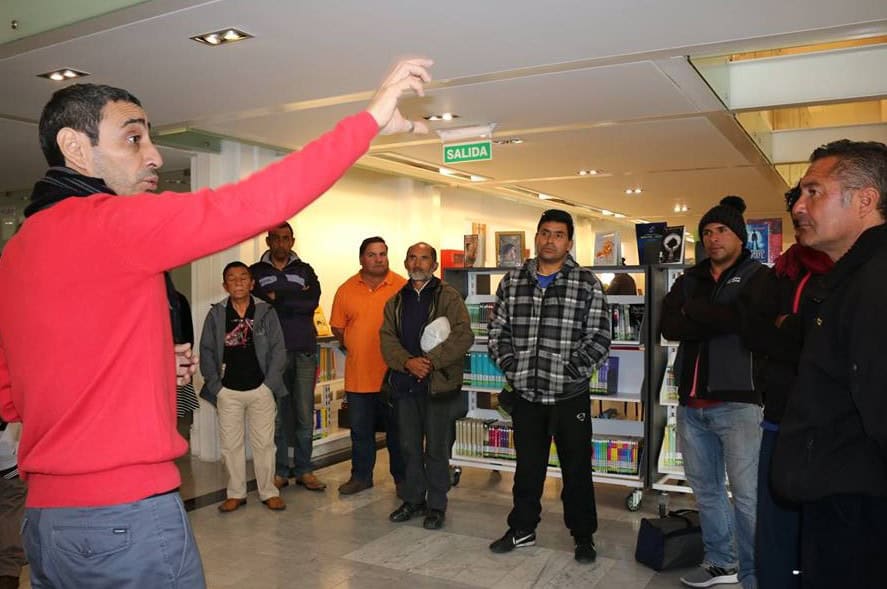
When Antofagasta Health Services (Servicio de Salud Antofagasta) realised that the homeless people seek libraries for safety and services, they invited the Antofagasta Regional Library (Biblioteca Regional de Antofagasta) and the VIVA Library (Biblioteca VIVA) to work on an intervention programme together. This cooperation resulted in the cultural outreach program called BiblioStreet (BiblioCalle).
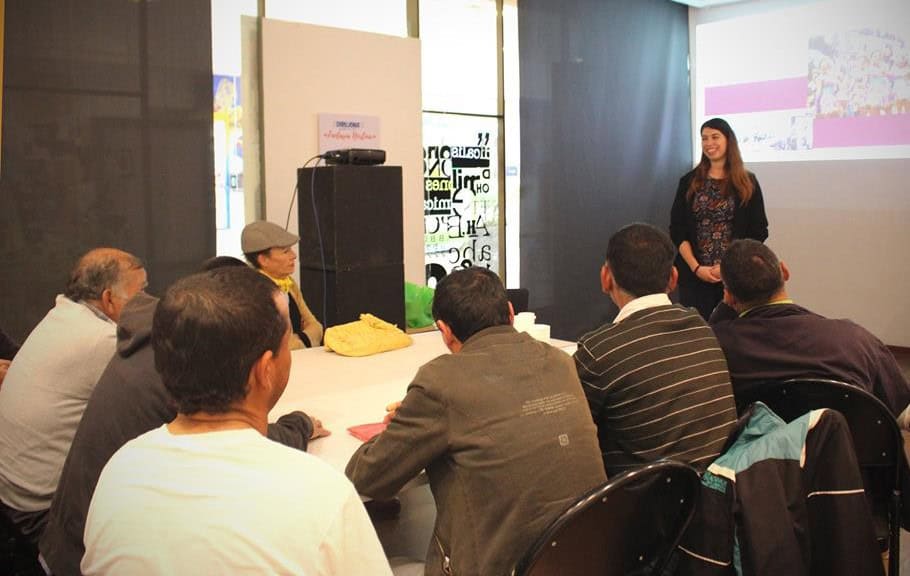
BiblioStreet is a five-month programme, aimed at civic and social integration of people experiencing homelessness and targeted primarily at those who are at risk of alcohol and drug use in order to reincorporate them into the health network, articulate employment and social networking opportunities in the community.
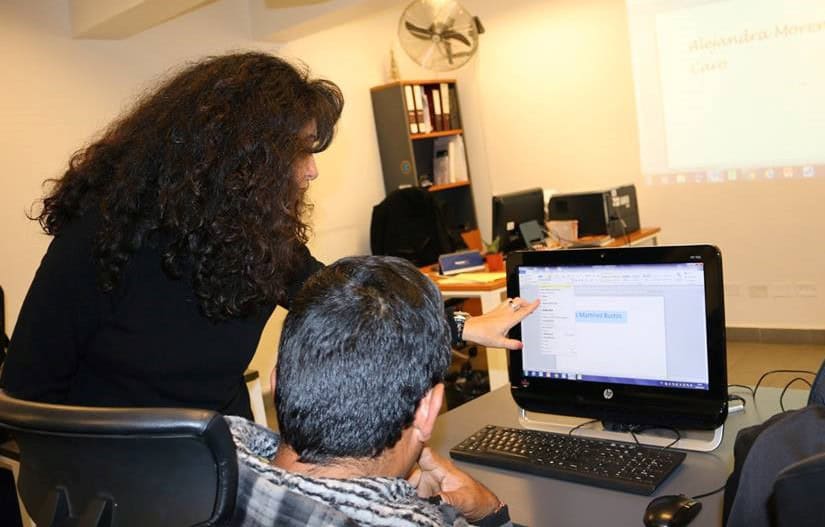
During this five-month programme, its participants receive various training sessions, such as digital literacy classes, reading and writing workshops, reflective analysis and storytelling. At the end of the programme, people living on the street present their stories to the wider community.
To strengthen and empower the BiblioStreet experience, programme partners established a partnership with professional volunteers from the Foundation Transcender (Fundación Trascender), a non-profit organisation with 17 years of experience of promoting professional volunteering to contribute to overcoming poverty. With their knowledge, experience and expertise, volunteer professionals helped to link realities different from program participants’ own in a project that directly contributes to improving the quality of life of people.
To pilot the BiblioStreet, in 2017, ten participants were registered, and seven people (70% of programme participants) were able to finish the programme as direct beneficiaries gaining abilities to contribute to the construction of a sustainable and resilient city.
Luis Villegas, a 45-year old BiblioStreet participant, told project evaluators: “I learned to write about things and personal experiences, and this has taught me how to better communicate with other people. BiblioStreet programme makes people empathise more with others.” After participating in the workshop, his therapist confided that he has lowered considerably the levels of anxiety and drug consumption thanks to the writing, giving him a therapeutic and rehabilitation objective.
After receiving a positive evaluation by all project partners and participants, it is hoped that the BiblioStreet programme will be offered on an ongoing basis in the Regional Library of Antofagasta. At the opening day of the second round of BiblioStreet (2018), the director of the Antofagasta Health Services shared: “We are proud to have this initiative, which has become an example for other regions. It not only allows us to reincorporate people experiencing homelessness into our health network, but also lets us help them to restore their rights in other matters.”