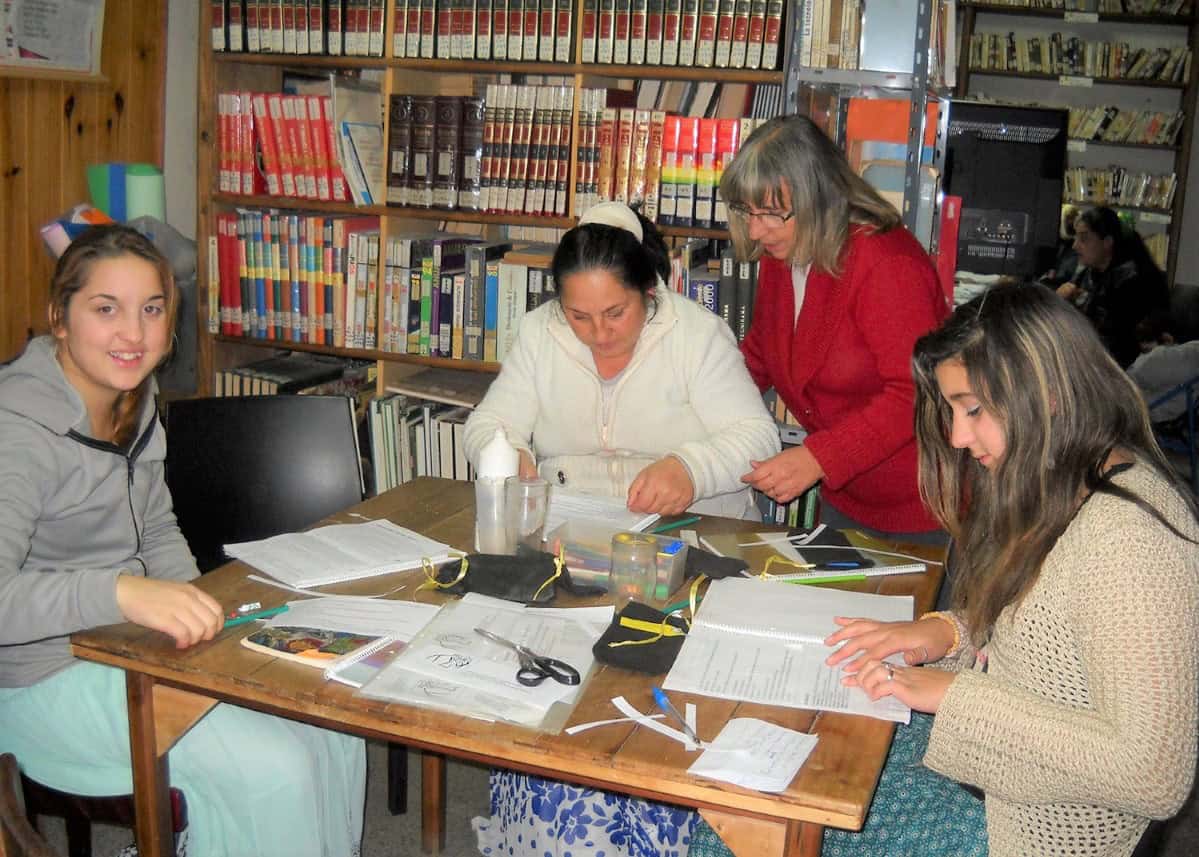
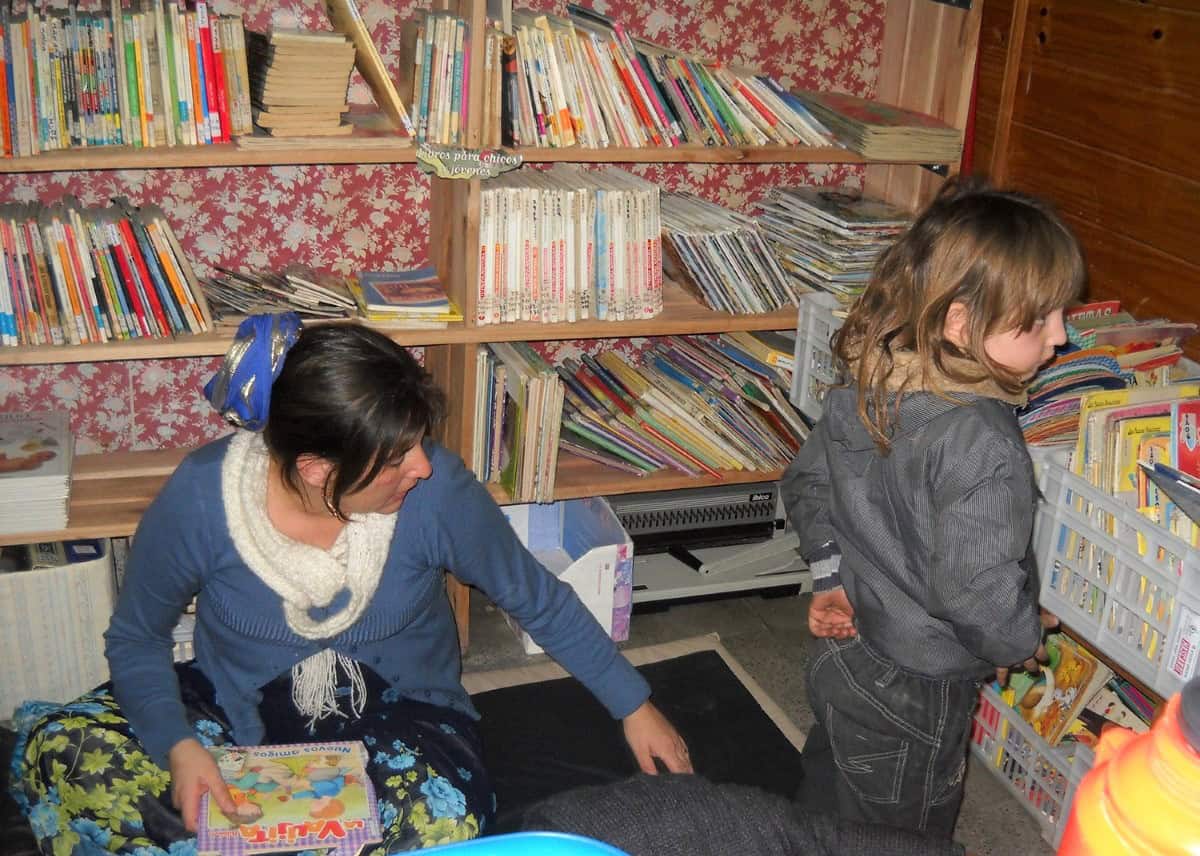
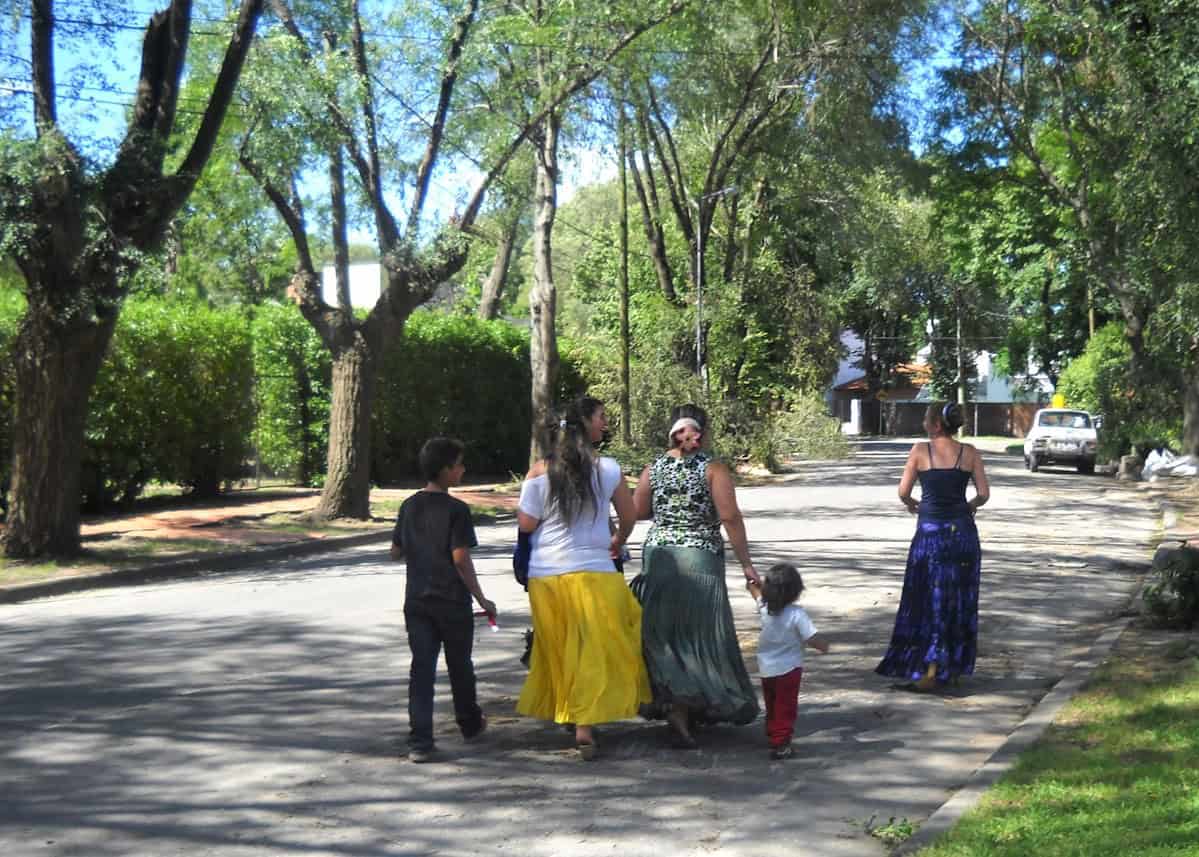
There are an estimated 300,000 Roma living in Argentina, many of whom have experienced social exclusion and discrimination. In 2013, the Gladys Smith Library in the city of Mar del Plata started a literacy project to teach reading and writing to a small group of Roma women. Over the years, this initiative grew into a school for adults, marking the beginning of inclusion of the Roma community in Argentine society.
The Roma community has a strong oral tradition through which their knowledge, customs and folklore are transferred. However, social challenges faced by Roma are exacerbated by low literacy rates. In 2010, Sandra, a Roma woman, reached out to the Library for help learning to read. She hadn’t attended school as a child because her family often moved from place to place, and now she felt “too embarrassed to go to school.” Norma, the programme’s librarian, also knew there were many Roma who did not attend school for cultural reasons or because the schools were not sufficiently inclusive.
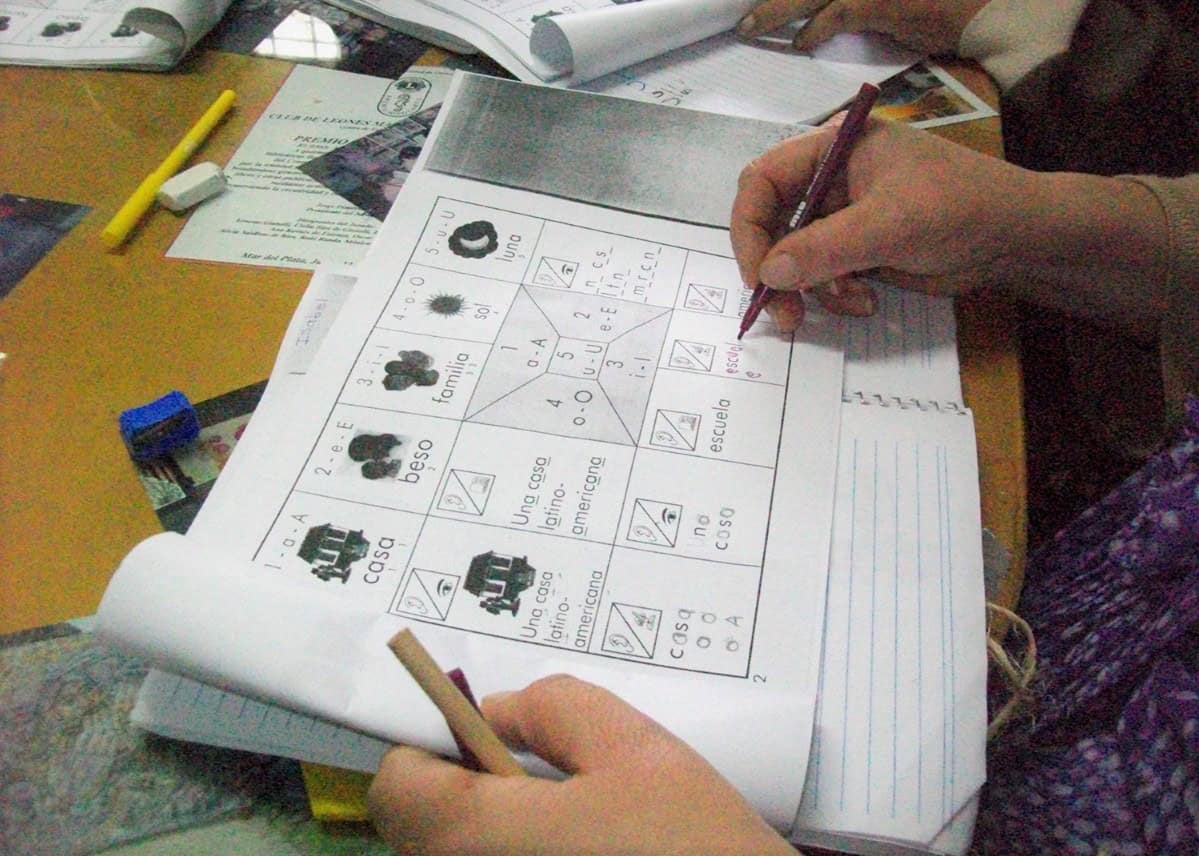
The Library is located in the Bosque Alegre neighbourhood where the Roma community makes up more than half the population. Norma engaged with social workers who had experience in working with the community, and together they decided to implement the successful Cuban programme, “Yes I can” (Yo Sí Puedo) that uses numbers – which people do know – to teach letters. Since the start of the programme, over 60 people have learned to read and write. They can access education, culture, justice and health service information, and they know their civic rights.
Norma recalls that initially, “the husbands watched in surprise from their cars, as the women came to the library to learn,” but eventually some men joined the programme. In 2016, the programme was incorporated into a project called “Adult School No. 701” – a primary school for adults, which operates in the mornings and afternoons. This provided attendees with an opportunity to acquire a certificate of completion for their primary education.
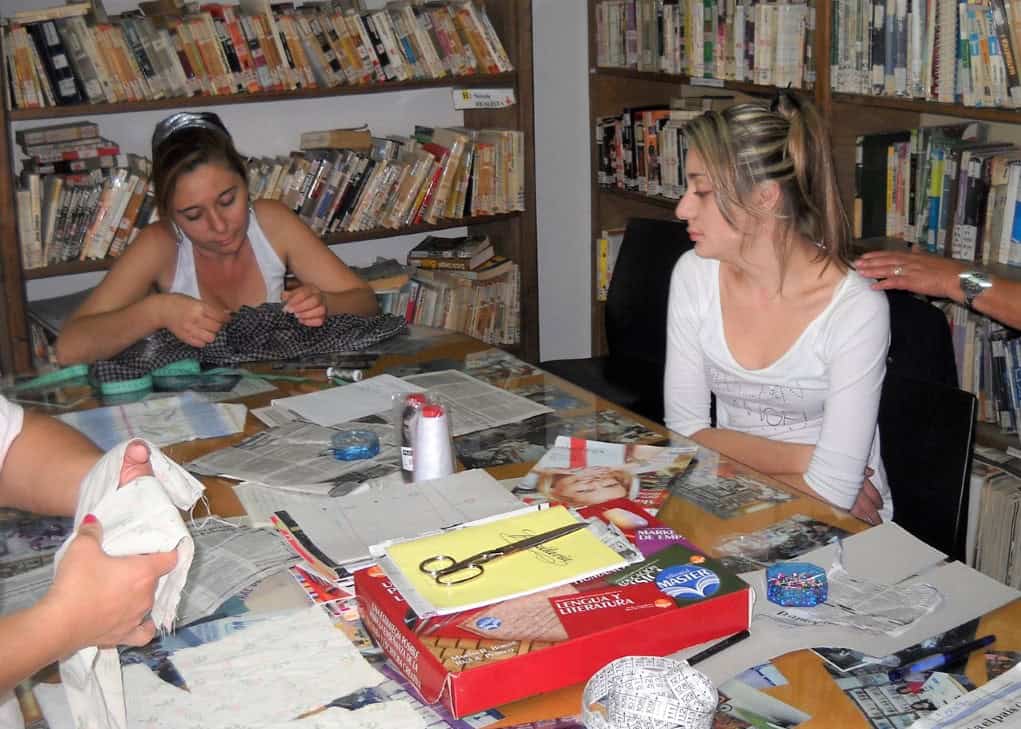
The library has collaborated with community individuals and organisations and has expanded its programmes to offer workshops and activities to meet the needs of the community. A sewing workshop had one of the greatest impacts, where the women began to sew their own clothes instead of buying them in shops. While the focus audience of these programmes is Roma women, they are open to all. Due to their success, the programmes were later implemented in Argentina’s Creole community.
By providing information workshops centred around citizen’s rights, the Library helped to improve the Roma community’s civic awareness. “Before, I only went to the hospital if I felt very bad because they asked for my ID and I didn’t have it,” recalls Sandra. Now, she not only has an ID but also the knowledge and desire to assert her rights by voting in Argentine elections.
The work of the Library and project partners has earned the recognition of the Direction of Cultural Diversity of the Nation (Dirección de Pluralismo Cultural de la Nación) and is well-known nationally as one of the transformative practices in the areas of literacy, health and social inclusion.
Se estima que hay 300,000 personas gitanas viviendo en Argentina, muchos de los cuales han experimentado exclusión social y discriminación. En 2013, la Biblioteca Gladys Smith en la ciudad de Mar del Plata comenzó un proyecto de alfabetización para enseñar lectura y escritura a un pequeño grupo de mujeres gitanas. Con los años, esta iniciativa se convirtió en una escuela para adultos, marcando el comienzo de la inclusión de la comunidad gitana en la sociedad argentina.
La comunidad gitana tiene una fuerte tradición oral a través de la cual se transfieren sus conocimientos, costumbres y folklore. Sin embargo, los desafíos sociales que enfrentan las personas gitanas se ven exacerbados por las bajas tasas de alfabetización. En 2010, Sandra, una mujer gitana, buscó ayuda en la Biblioteca para aprender a leer. No había asistido a la escuela cuando era niña porque su familia a menudo se mudaba de un lugar a otro, y ahora se sentía “demasiado avergonzada para ir a la escuela”. Norma, la bibliotecaria del programa, también sabía que había muchas personas gitanas que no asistían a la escuela por razones culturales o porque las escuelas no eran lo suficientemente inclusivas.
La biblioteca está ubicada en el barrio de Bosque Alegre, donde la comunidad gitana representa más de la mitad de la población. Norma se involucró con trabajadores sociales que tenían experiencia en trabajar con la comunidad, y juntos decidieron implementar el exitoso programa cubano, “Yo Sí Puedo” que usa números, que la gente sí sabe, para enseñar letras. Desde el inicio del programa, más de 60 personas han aprendido a leer y escribir. Pueden acceder a información sobre educación, cultura, justicia y servicios de salud, y conocen sus derechos cívicos.
Norma recuerda que inicialmente, “los esposos observaron sorprendidos desde sus autos, mientras las mujeres venían a la biblioteca a aprender”, pero finalmente algunos hombres se unieron al programa. En 2016, el programa se incorporó a un proyecto llamado “Escuela de adultos Nº 701”, una escuela primaria para adultos, que funciona por las mañanas y las tardes. Esto brindó a los asistentes la oportunidad de adquirir un certificado de finalización para su educación primaria.
La biblioteca ha colaborado con individuos y organizaciones de la comunidad y ha ampliado sus programas para ofrecer talleres y actividades para satisfacer las necesidades de la comunidad. Un taller de costura tuvo uno de los mayores impactos, donde las mujeres comenzaron a coser su propia ropa en lugar de comprarla en las tiendas. Si bien la audiencia principal de estos programas son las mujeres gitanas, están abiertas a todos. Debido a su éxito, los programas se implementaron más tarde en la comunidad criolla argentina.
Al proporcionar talleres de información centrados en los derechos de los ciudadanos, la Biblioteca ayudó a mejorar la conciencia cívica de la comunidad gitana. “Antes, solo iba al hospital si me sentía muy mal porque me pedían mi documento y no lo tenía”, recuerda Sandra. Ahora, no solo tiene documento sino también el conocimiento y el deseo de hacer valer sus derechos votando en las elecciones argentinas.
El trabajo de la Biblioteca y los socios del proyecto ha ganado el reconocimiento de la Dirección de Pluralismo Cultural de la Nación y es conocida a nivel nacional como una de las prácticas transformadoras en las áreas de alfabetización, salud e Inclusión social.