Education for sustainable development is one of the general principles that directs the Republic of Croatia towards sustainable development. In 2019, the Croatian Government made sustainable development officially accepted and recommended for use for all primary and secondary schools.
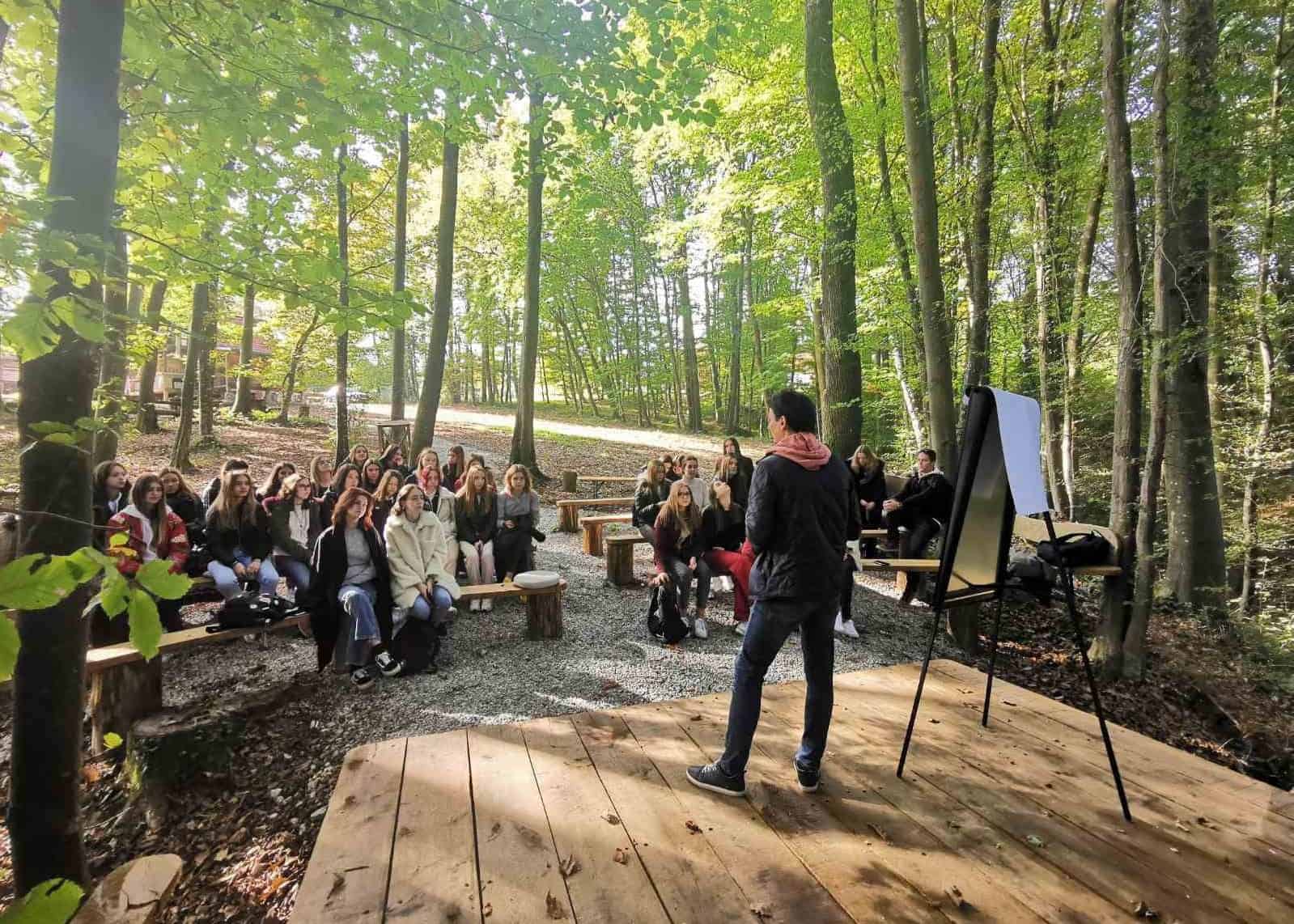
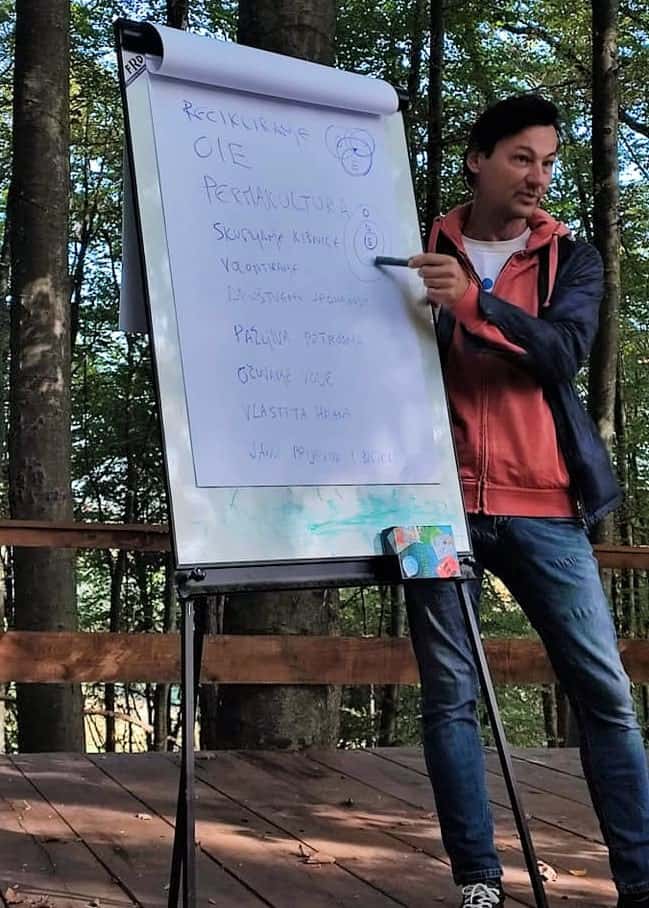
Following this national education policy, the First Croatian Gymnasium in Rijeka complemented its curriculum with the Green Literature programme. The programme connects literature and sustainable development intending to develop environmental and digital literacy, where students are introduced to practical examples and the philosophy of sustainable living through lectures and workshops.
The Green Literature programme has shown that students internalise Sustainable Development Goals better when the topic is brought into dialogue with personal stories and poetry. The Green Literature project is based on the idea that students are more motivated to support goals such as sustainable development when developing their imagination and critical thinking.
Emma, 16, one of the student participants talks about her new awareness, “Initially when I thought of sustainable development the only associations that would come to mind were recycling and fertilizer usage. I thought that taking care of our planet and being more mindful of nature is what sustainable development meant. Because of the programme, I know how to improve my life and how to act to improve the world as a whole.”
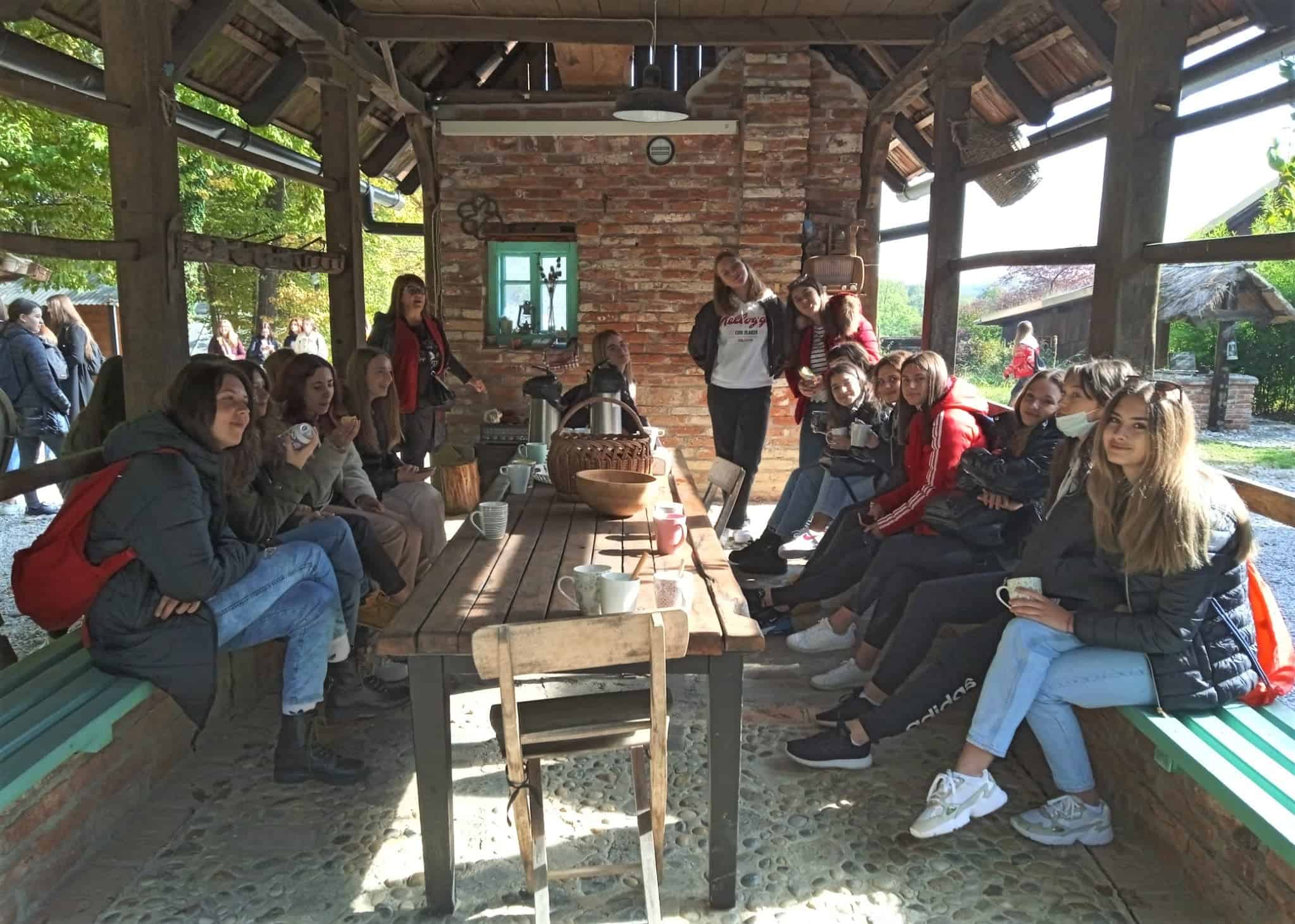
The library is the primary meeting point of this programme. As an introduction, the librarian acquaints students with the goals of sustainable development. Participants of the workshop explore every Sustainable Development Goal, and they cooperate to define and work out the goals, and to discuss entrepreneurial ways to achieve them and find measures that the individual, the school and the local community can undertake. At the end of the workshop, a gallery of examples and suggestions for action is crafted which the hosts present to all the participants. One part of the Green Literature’s activity was carried out in collaboration with the Recycled Estate in the village of Vukomerić.
The Green literature programme is an initiative of literature teacher Helena de Karina and the school librarian Sandra Vidović. About 200 students, ages 15-18, participated in the project and it is planned to be a multi-year school project, with more students to be included over the next year. This project is supported and funded by the Ministry of Science and Education as an extracurricular activity, with the aim of introducing the programme to teachers across the country.
Helena is enthusiastic about the impact of the programme,“Students have shown that they are motivated for the project’s goals and after it’s ending expressed interest for further engagement with these topics. They also decided that the next edition of the school journal will be dedicated to the topic of sustainable development.”